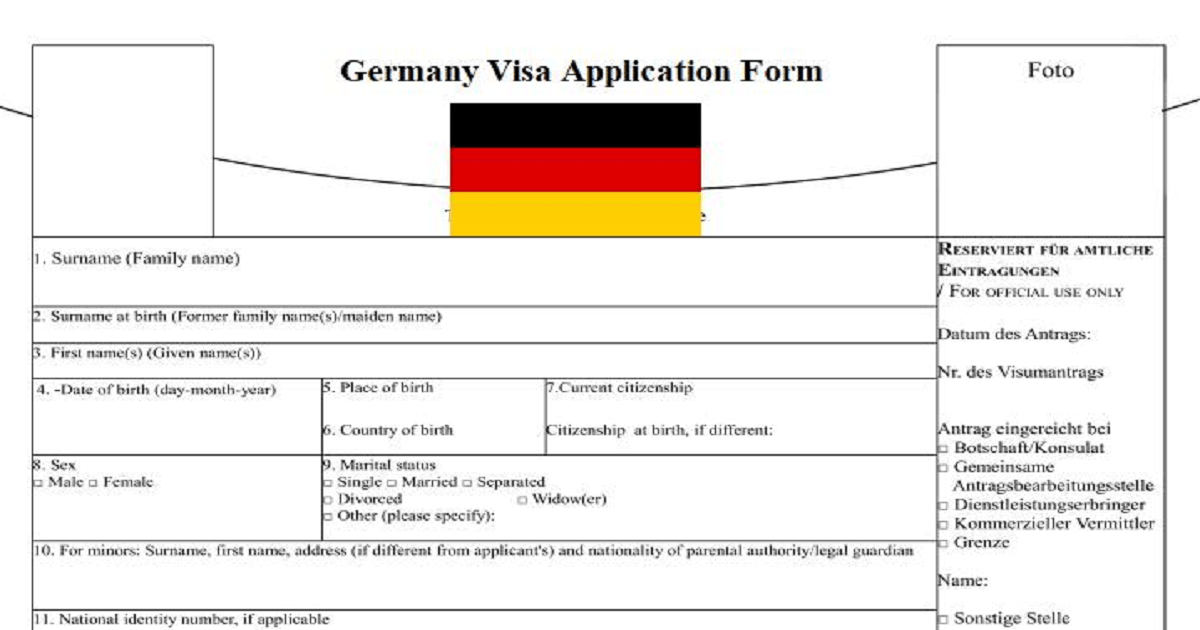
Germany is currently facing a significant skilled labor shortage, making it the perfect time for international professionals to seek opportunities in cities like Berlin, Munich, and Frankfurt. Whether you are a software engineer, a healthcare professional, or a specialist in trades, this guide will walk you through everything you need to know about securing a Germany Work Permit.
1. Do You Need a Visa to Work in Germany?
Before applying, you must determine if you require a visa based on your nationality:
-
EU/EEA/Switzerland Citizens: You do not need a permit. You have the right to live and work freely in Germany.
-
Australia, Canada, Israel, Japan, South Korea, New Zealand, and the USA: You can enter Germany visa-free but must apply for a residence permit within 90 days.
-
Non-EU Citizens (Most of the World): You must apply for a visa at a German Mission (Embassy/Consulate) in your home country before traveling.
2. Types of German Work Visas
There isn’t just one “work visa.” Depending on your qualifications and job offer, you may fall into one of these categories:
The EU Blue Card
The “Gold Standard” for highly skilled professionals.
-
Requirement: A recognized university degree and a job offer with a minimum annual salary (usually around €45,300, or €41,041 for shortage occupations as of 2024/2025).
-
Benefit: Faster path to permanent residency (PR).
Skilled Worker Visa (Qualified Professionals)
For those with vocational training or a degree recognized in Germany.
-
Requirement: Your job must match your professional qualification.
Opportunity Card (Chancenkarte)
Launched in 2024, this is a points-based system that allows you to come to Germany for one year to look for a job.
-
Requirement: Based on language skills, age, and experience.
3. Step-by-Step Application Process
Step 1: Get a Job Offer
Except for the Opportunity Card, you generally cannot get a work visa without a signed employment contract from a German company.
Step 2: Recognition of Qualifications
Germany is strict about education. Your degree must be checked against the Anabin database. If your institution isn’t listed as “H+”, you may need a Statement of Comparability from the ZAB (Zentralstelle für ausländisches Bildungswesen).
Step 3: Book an Appointment
Schedule your visa interview at the German Embassy or Consulate in your country. Note that wait times can be several months, so book early!
Step 4: Gather Documentation
You will typically need:
-
Valid Passport.
-
Signed Employment Contract.
-
Declaration of Employment (Erklärung zum Beschäftigungsverhältnis) filled out by your employer.
-
Proof of Qualifications (Degrees/Certificates).
-
Health Insurance (Travel insurance until you join the German public system).
Step 5: The Interview & Fee
Attend your appointment and pay the visa fee (usually around €75). Your application will be sent to the Federal Employment Agency (BA) in Germany for approval.
Step 6: Arrival and Residence Permit
Once approved, you receive an entry visa. After arriving in Germany, you must register your address at the Bürgeramt and then visit the Ausländerbehörde (Immigration Office) to convert your visa into a physical Residence Permit card.
4. Why Work in Germany?
-
Work-Life Balance: Germany is famous for its generous vacation time (20–30 days per year).
-
Social Security: High-quality healthcare and unemployment protection.
-
Career Growth: Home to global giants like Siemens, Volkswagen, SAP, and Mercedes-Benz.
5. Quick Tips for Success
-
Learn German: While many tech jobs are in English, having B1/B2 German levels significantly boosts your visa chances and social life.
-
Check the “Shortage List”: If you are a doctor, engineer, or IT specialist, your visa process is often streamlined.
-
Be Patient: German bureaucracy is thorough. Ensure every document is translated into German by a certified translator.
Conclusion
Securing a Germany Work Permit is a structured process that rewards preparation. By following these steps and ensuring your qualifications are recognized, you can start your career in Europe’s most powerful economy.
Disclaimer: Visa regulations change frequently. Always check the official website of the German Federal Foreign Office (Auswärtiges Amt) for the most current requirements.
